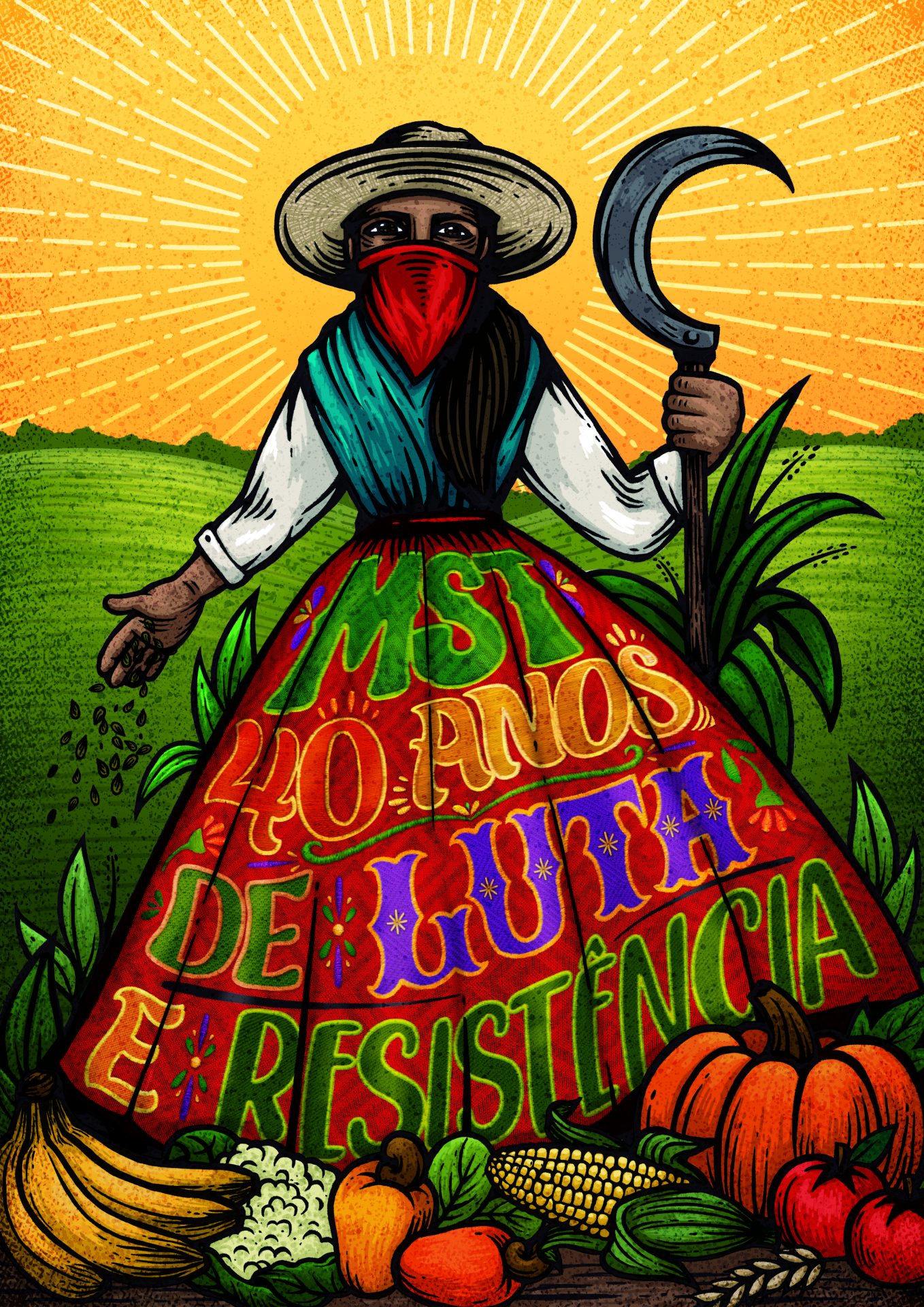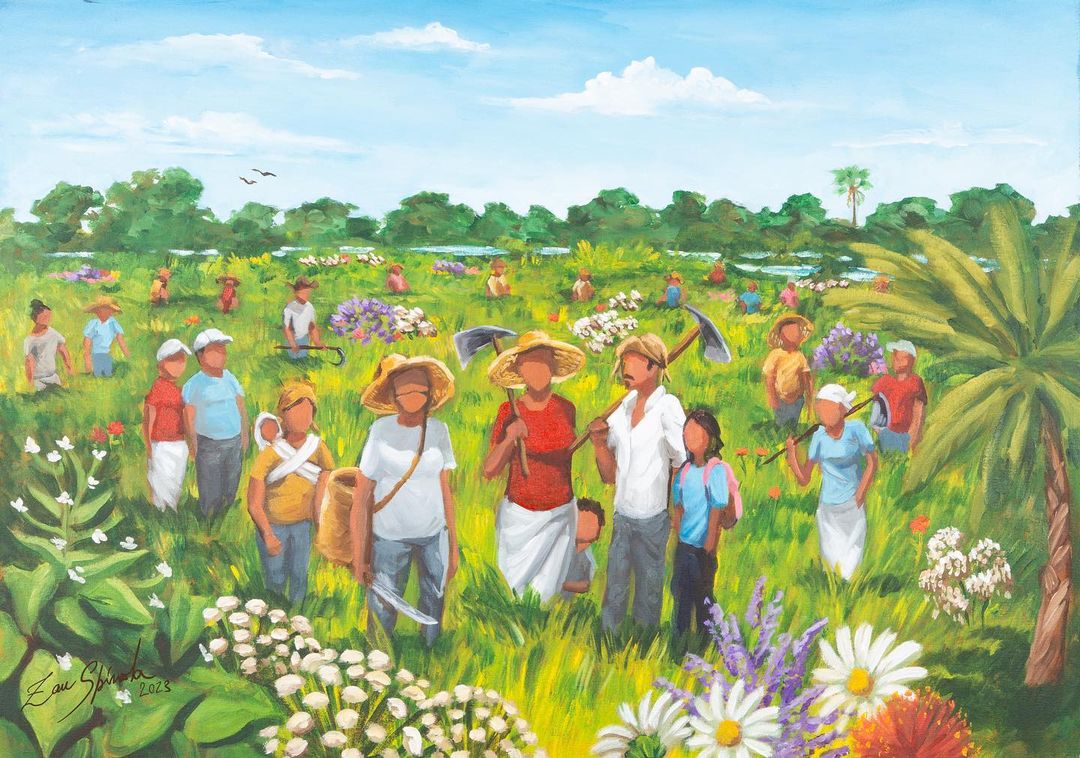
“Dreams are projects to fight for.” This is how Brazilian educator Paulo Freire described dreams or utopias in one of his last essays, “On the Right and the Duty to Change the World” (1997).
On 17 April 1996 the military police of the state of Pará murdered nineteen members of the Landless Workers’ Movement (MST) in what became known as the Eldorado dos Carajás Massacre. Exactly one year later around a hundred thousand landless people and supporters of the movement took over the federal capital of Brasília in the historic National March for Jobs, Justice, and Agrarian Reform. Freire finished “On the Right and the Duty to Change the World” on the very next day, deeply moved by what he described as “the hopeful march of those who know that change is possible,” those who “would never surrender to the ideological falsity of the claim: ‘reality is the way it is, it is useless to fight.’”
How do Freire and the MST help us think about the importance of dreams or utopias? And how do they help us think about the central role of education in the fight for them?
To address these questions, this course starts with Freire’s pedagogical writings, paying particular attention to interrelated concepts such as “problem-posing education,” “history as possibility,” “the future as a problem,” and “dreams [as] projects to fight for.” This last concept in particular serves as a bridge to the more than forty-years long fight of the MST for land, agrarian reform, and the transformation of Brazilian society, inviting us to turn to the movement for powerful examples of utopia. Without a doubt, the main one is the Program of Popular Agrarian Reform elaborated in the early 2000s, which replaced the traditional notion of agrarian reform that guided the struggle of the movement in its first decades with a much broader one, encompassing access to land and other means of subsistence as well as to education and culture. As we will see, the fight for this utopia includes the creation of what scholar Rebecca Tarlau calls “educational utopias,” spaces like the Josué de Castro Educational Institute (IEJC) established in 1995 in the state of Rio Grande do Sul and the Florestan Fernandes National School (ENFF) established in 2005 in the state of São Paulo.
Lastly, we will see how the fight for Popular Agrarian Reform also fundamentally includes what the MST calls místicas, artistic performances of various kinds that express the unique utopianism of one of the most important popular movements in the history of Latin America and the world.
No one is turned away from ISE course offerings for lack of funds. If you need a reduced class fee in order to access, please fill out this form.
Course art from Judy Duarte and Gabrielle Alves.